چۆن کەمئاوی منداڵانی زۆنگاوەکان لە خوێندن بێبەش دەکات؟
نووسەر
Al-Mesalla Org
بینینەکان
41.6K views
بڵاوکراوەتەوە
Feb 14, 2026
Saturday
شوێنەکان
3 شوێنەکان
almesalla org
Deep Dive
Exploring the complete story and its impact
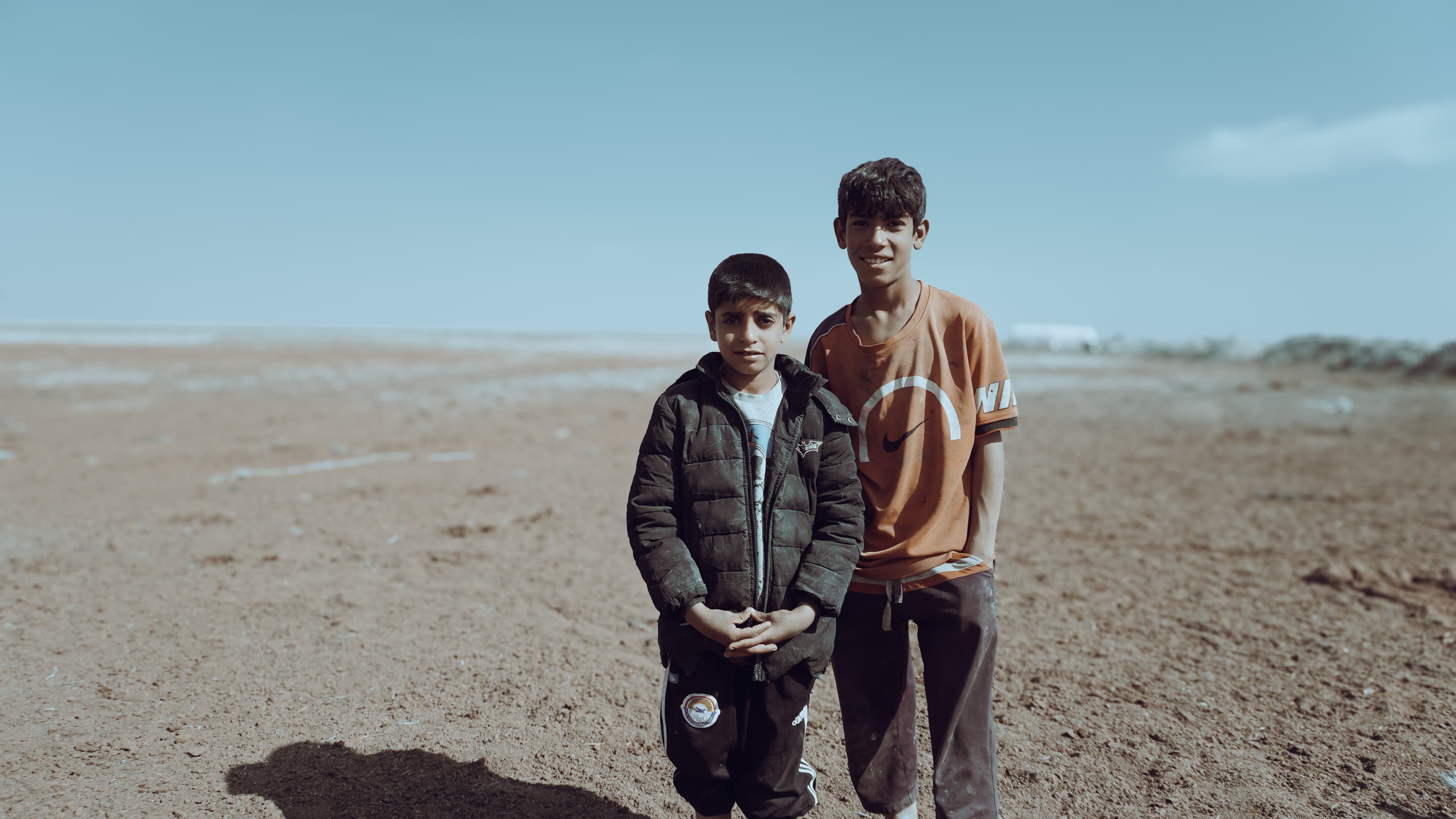
لەو گوندانەی کە لە کەنارەکانی زۆنگاوەکانی عێراقدا بڵاوبوونەتەوە، وشکەساڵی چیتر تەنها قەیرانێکی ژینگەیی نییە؛ بەڵکو گۆڕاوە بۆ قەیرانێکی بێدەنگی خوێندن. لەگەڵ دابەزینی ئاستی ئاو و بچووکبوونەوەی ڕووبەرە ئاوییەکان، ڕیتمی ژیانی ڕۆژانە دەگۆڕێت و منداڵان ڕووبەڕووی واقیعێک دەبنەوە کە هەڕەشە لە بنەڕەتیترین مافیان دەکات، کە ئەویش دەست گەیشتنە بە مافی خوێندن.
ژیان لە زۆنگاوەکاندا بەندە بە تۆڕێکی ئاڵۆزی ڕێڕەوە ئاوییەکان کە وەک شاڕێگەی سەرەکی بۆ بەستنەوەی گوندەکان بە قوتابخانەکان کار دەکەن. ئەم ڕێڕەوانە سەرچاوەی ژیانن. کاتێک ئاو کەم دەبێتەوە، ئەم ڕێڕەوە سروشتییانە دەبنە ڕێگەی قوڕاوی و سەخت، یان بە تەواوی نامێنن، ئەمەش گەشتی قوتابخانە دەکاتە کارێکی ماندووکەر و هەندێکجاریش مەحاڵ.
لە سەردەمە سەختەکانی کەمئاویدا، هەندێک خێزان ناچار دەبن بە شێوەیەکی کاتی کۆچ بکەن بۆ گەڕان بەدوای سەرچاوەی ئاوی جێگیرتر یان بژێوی جێگرەوە. ئەم ئاوارەبوونە زۆرجار دەبێتە هۆی دابڕانی درێژخایەن لە قوتابخانە یان وازهێنانی یەکجاری. ئەو خێزانانەشی کە دەمێننەوە، منداڵەکانیان ناچار دەبن بەرپرسیارێتی زیاتری ناوماڵ بگرنە ئەستۆ، وەک هێنانی ئاو، بەخێوکردنی ئاژەڵ، یان دابینکردنی داهاتی خێزان، ئەمەش هەمووی لەسەر حیسابی خوێندنەکەیانە.
ڕاپۆرتە ناوخۆیی و نێودەوڵەتییەکانی ئەم دواییانە ئاماژە بە دابەزینێکی توندی ئاستی ئاو لە باشووری عێراق دەکەن، کە ڕاستەوخۆ کاریگەری کردووەتە سەر کشتوکاڵ و ئاژەڵداری، کە سەرچاوەی سەرەکیی داهاتی کۆمەڵگەکانی زۆنگاوەکانن. ئەم فشارە ئابوورییە زۆرێک لە خێزانەکان ناچار دەکات منداڵەکانیان لە قوتابخانە دەربهێنن، یان بۆ کەمکردنەوەی خەرجییەکان یان بۆ بەشداریکردنیان لە کارە داهات هێنەکانیاندا.
کاریگەرییەکان تەنها لەسەر ئامادەنەبوون نین. تەنانەت ئەو منداڵانەی لە قوتابخانە دەمێننەوە، زۆرجار لە بارودۆخێکی ناسەقامگیردا دەخوێنن. هەندێک لە قوتابخانەکان ئاوی پاکی خواردنەوە و خزمەتگوزارییە تەندروستییە گونجاوەکانیان نییە، ئەمەش دەبێتە هۆی زیادبوونی ڕێژەی نەهاتن و ئامادە نەبوون بەهۆی نەخۆشییە گوازراوەکانی ناو ئاو و مەترسییە تەندروستییە ژینگەیییەکان.
شارەزایان هۆشداری دەدەن کە بێبەشکردنی منداڵانی زۆنگاوەکان لە خوێندن تەنها لەدەستدانی ساڵانی خوێندن نییە؛ بەڵکو مەترسیی لەدەستدانی تەواوی دەرفەتەکانی نەوەیەکە. لەم ناوچانەدا، خوێندن تەنها ڕێگەیەک نییە بۆ تاک بەرەو داهاتوویەکی باشتر، بەڵکو بناغەیەکی گرنگە بۆ بەهێزکردنی خۆڕاگریی کۆمەڵگە لە بەرامبەر فشارە کەشوهەوایی و ئابوورییەکاندا.
چارەسەرکردنی قەیرانی خوێندن لە زۆنگاوەکاندا، ناتوانرێت لە چارەسەرکردنی ئالنگاریە ژینگەیییەکان جیا بکرێتەوە. چارەسەرە واتادارەکان پێویستیان بە بەڕێوەبردنی بەردەوامی سەرچاوەکانی ئاو، بەهێزکردنی ژێرخانی قوتابخانەکان، و ڕێکارەکانی پاراستنی کۆمەڵایەتی هەیە بۆ ڕێگریکردن لەوەی خێزانەکان خوێندنی منداڵەکانیان بکەنە قوربانیی قەیرانە ئابوورییەکان.
لە زۆنگاوەکاندا، پەیوەندی نێوان ئاو و خوێندن تەنها هێمایەک نییە، بەڵکو شتێکی بەرجەستە و دەستبەجێیە. کاتێک ئاو کەم دەبێتەوە، دەرفەتەکانی فێربوونیش لەگەڵیدا کەم دەبنەوە. لە نێوان بەلەمێکی گیراو لە کەنارێکی وشکدا و دەفتەرێکی داخراو لەسەر مێزێکی دار، چیرۆکی هەزاران منداڵ هەیە کە چاوەڕێی گەڕانەوەی ئاون، تا لەگەڵیدا مافی دەست گەیشتنە بە مافی خوێندن.
بابەتە پەیوەندیدارەکان
هەواڵە پەیوەندیدارەکان
ڕێکخراوی مەسەلە پڕۆژەی "یاریگاکانی پاشەڕۆژ" بۆ پەرەپێدانی وەرزش و مافەکانی منداڵان لە نەینەوا و ئەنبار کۆتایی پێدەهێنێت
ڕێکخراوی مەسەلە پڕۆژەی "چارەسەرە کۆمەڵایەتییەکان" بە ئەنجامدانی ٣٣ دەستپێشخەری لە ١٥ پارێزگای عێراق کۆتایی پێدەهێنێت