زۆنگاوەکانی عێراق لە نێوان میراتی مرۆیی و هەڕەشە بوونییەکاندا
نووسەر
Al-Mesalla Org
بینینەکان
46K views
بڵاوکراوەتەوە
Feb 01, 2026
Sunday
شوێن
1 شوێن
Dhi Qar
Deep Dive
Exploring the complete story and its impact
ڕۆژی جیهانیی زۆنگاوەکان (World Wetlands Day) دەبێت ببێتە ساتێک بۆ تێڕامانی جیهانی لە یەکێک لە گرنگترین و لە هەمان کاتدا ناسکترین سیستمە ژینگەیییەکانی هەسارەکەمان. زۆنگاوەکان تەنها دیمەنێکی سروشتیی پەراوێزخراو نین؛ بەڵکو بزوێنەرە ژینگەیییەکانن کە کەشوهەوا ڕێکدەخەن، جۆراوجۆریی بایۆلۆژی دەپارێزن، سەرچاوەکانی ئاو مسۆگەر دەکەن و بژێوی ملیۆنان کەس لە سەرتاسەری جیهاندا دابین دەکەن. لەدەستدانی ئەوان کارێکی تیۆری یان دوور نییە، بەڵکو زیانێکی بەرجەستە و گەڕانەوەنەبوو و مرۆییە.
لە عێراقدا، ئەم ڕاستییە بە ڕوونی لە زۆنگاوەکانی باشووردا ڕەنگ دەداتەوە، کە لە کۆنترین سیستمە ژینگەیییەکانی سەر زەوین و لانکەی شارستانییەتە سەرەتاییەکانی مرۆڤایەتین. ئەم زۆنگاوانە تەنها کۆمەڵێک ئاو نین؛ بەڵکو دیمەنێکی ڕۆشنبیریی زیندوون کە جیا نابنەوە لە ناسنامەی مێزۆپۆتامیای کۆن و لەو سیستمە کۆمەڵایەتی و ئابوورییانەی کە بۆ هەزاران ساڵ بەردەوام بوون.
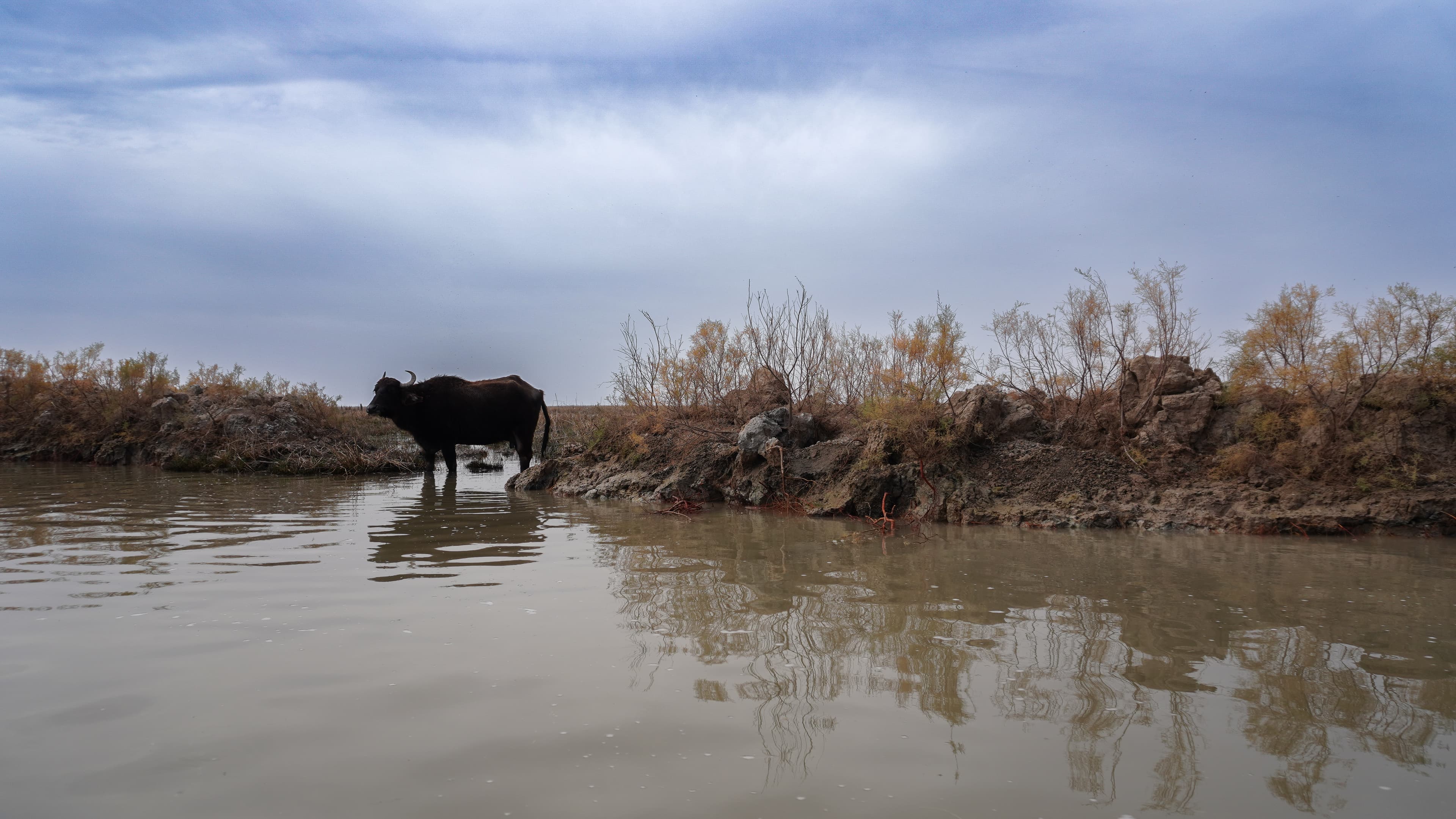
زۆنگاوەکانی عێراق کە پارێزگاکانی (میسان، زیقار و بەسرە) دەگرنەوە، پێشتر تۆڕێکی ژینگەیی بەهێزیان پێکهێنابوو. میوانداری سەدان جۆر باڵندەیان دەکرد کە زۆربەیان کۆچەری بوون، لەگەڵ ماسییە دەگمەنەکان و ڕووەکە ئاوییەکان، لە کاتێکدا ڕۆڵێکی گرنگیان هەبوو لە ڕێکخستنی ڕێڕەوی ئاو، پاڵاوتنی پیسکەرەکان و کەمکردنەوەی خێرایی بیابانبوون لە باشووری عێراقدا. بۆ چەندین نەوە، ئەوان سەرچاوەی ژیانی ئەو کۆمەڵگانە بوون کە ژیانیان لەسەر ڕاوەماسی، بەخێوکردنی گامێش و ئابووریی سەرچاوەگرتوو لە قامیش بنیات نرابوو.
بەڵام ئەمڕۆ، ئەم سیستمە ژینگەیییە چیتر تەنها لەژێر "مەترسی"دا نییە، بەڵکو بە کردەیی خەریکە لەناودەچێت.
سەرەڕای تۆمارکردنیان لە لیستی میراتی جیهانیی یونسکۆ لە ساڵی ٢٠١٦دا، زۆنگاوەکان هێشتا بەدەست پشتگوێخستنی درێژخایەن و هەڕەشە سیستمییەکانەوە دەناڵێنن. ئاستی هاتنی ئاو بە توندی کەمی کردووە، نەک تەنها بەهۆی گۆڕانی کەشوهەوا و بەرزیی پلەی گەرمییەوە، بەڵکو بەهۆی دروستکردنی بەنداو لە سەرچاوەکان، کەمبوونەوەی ئاوی ڕووبارە سنووربڕەکان و نەبوونی چوارچێوەیەکی ناوچەیی پابەندکەر بۆ دابەشکردنی ئاو. لە ناوخۆشدا، لاوازیی حوکمڕانیی ئاو و بڕیارە کارگێڕییە کورتخایەنەکان زیاتر خۆڕاگریی زۆنگاوەکانیان لاواز کردووە.
پیسبوون قەیرانەکە قووڵتر دەکاتەوە. پاشماوە پیشەسازییەکان، پاشماوەی کشتوکاڵی و چالاکییە نەوتییەکان کوالێتی ئاویان تێکداوە و ئاستی سوێری و ژەهراویبوونیان زیاد کردووە. ئەم فشارانە ڕێکەوت نین؛ بەڵکو ڕەنگدانەوەی بژاردە سیاسییەکانن کە بەردەوام بەرژەوەندییە دەرهێنەر و شارستانییەکانیان لە پێش سیستمە ژینگەیییە ناسکەکان داناوە. ڕێکارەکانی پاراستنی ژینگە بە پارچەپارچەیی و لاوازی ماونەتەوە.
ئەنجامەکان لە ئێستاوە دیارن؛ سامانی ماسی بەرەو لەناوچوون دەچێت، گەلە گامێشەکان دەمرن و بژێوی تەقلیدی نامێنێت. تەواوی کۆمەڵگەکان ناچار بوون زۆنگاوەکان جێبهێڵن، ئەمەش وێرانیی ژینگەیی گۆڕیوە بۆ بزوێنەری ئاوارەبوون و پارچەپارچەبوونی کۆمەڵایەتی. ئەوەی ڕوودەدات تەنها زیانێکی ژینگەیی نییە، بەڵکو سڕینەوەیەکی هێواشی یادەوەریی ڕۆشنبیری و دادپەروەریی ژینگەیییە.
یادکردنەوەی ڕۆژی جیهانیی زۆنگاوەکان لە عێراقدا نابێت تەنها مەراسیمێکی شکڵی بێت. دەبێت ببێتە هۆی هێنانە پێشەوەی پرسیاری جدی دەربارەی لێپرسینەوە، ئەولەویەتەکان و دیدگای درێژخایەن. پاراستنی زۆنگاوەکان بابەتێکی هێمایی ژینگەیی نییە؛ بەڵکو ڕاستەوخۆ بەستراوەتەوە بە ئاسایشی ئاوی نیشتمانی، خۆڕاگری لە بەرامبەر کەشوهەوا و مافی نەوەکانی داهاتوو بۆ ژیان لە ژینگەیەکی گونجاودا.
مانەوەی زۆنگاوەکانی عێراق بەندە بە کارێکی بەپەلە و گشتگیر: مسۆگەرکردنی کەمترین بڕی بەردانەوەی ئاو، جێبەجێکردنی ڕێسا ژینگەیییە پابەندکەرەکان، چاودێریی شەفافی چالاکییە پیشەسازییەکان، و بەشداریکردنی ڕاستەقینەی کۆمەڵگە ناوخۆییەکان لە بڕیارداندا. ناساندنی نێودەوڵەتی بە تەنها زۆنگاوەکان ڕزگار ناکات ئەگەر ئیرادەی سیاسی و وەبەرهێنانی بەردەوامی لەگەڵدا نەبێت.
لە ڕۆژی جیهانیی زۆنگاوەکاندا، زۆنگاوەکانی عێراق تاقیکردنەوەیەکی ڕوونن بۆ ئاستی پابەندبوونمان. لەدەستدانیان نەک تەنها شکستی پاراستنی سیستمێکی ژینگەیی دەگمەنە، بەڵکو دەستبەرداربوونە لە میراتێکی مرۆیی زیندوو کە چیتر نابێت لەناوچوونی پشتگوێ بخرێت یان پاساوی بۆ بهێنرێتەوە.

